10 Must-See U.S. National Parks: Fast Facts & Planning
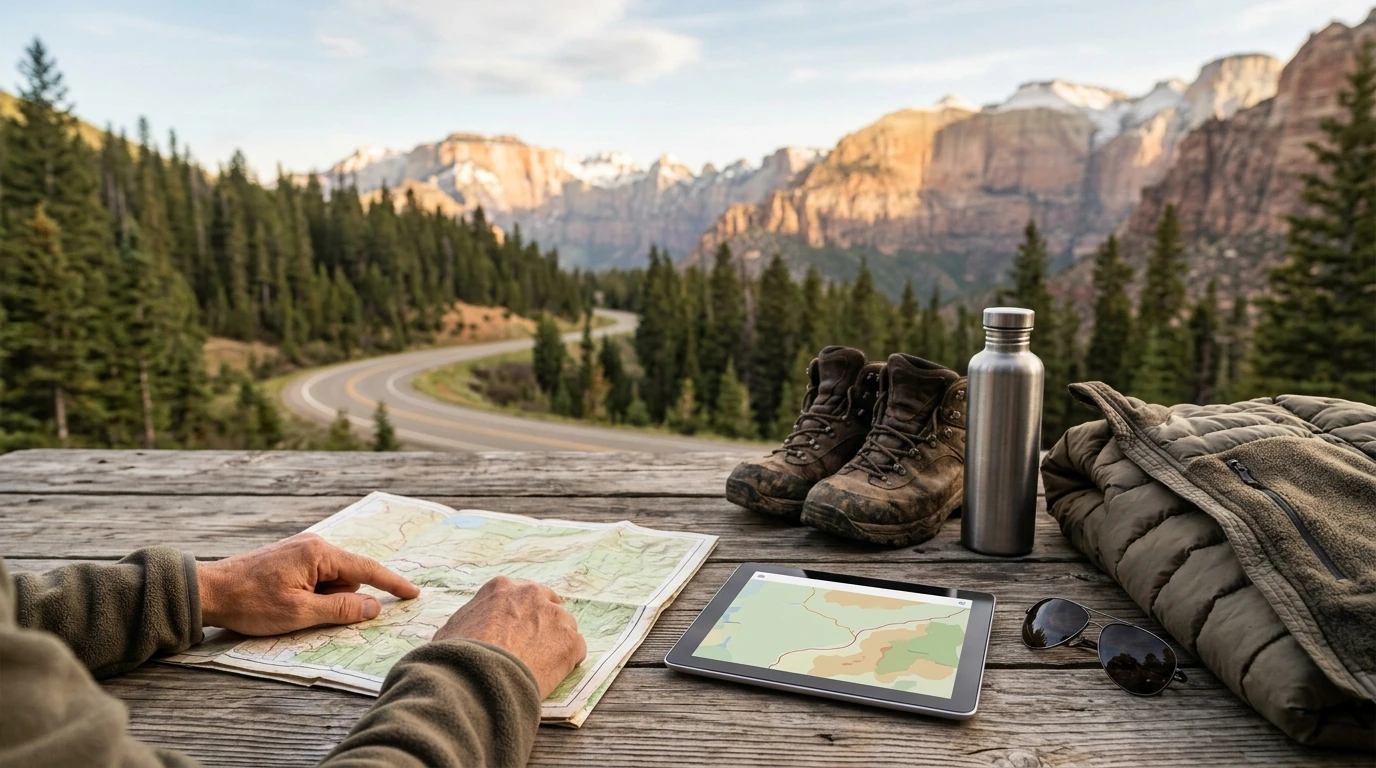
Top 10 Must-See U.S. National Parks: Fast Facts and Trip-Planning Shortcuts
Big landscapes deserve smart planning. This quick digital-style guide keeps the focus on decision-ready details for 10 iconic U.S. national parks—what makes each park special, when to go, and how to map a realistic itinerary for hiking, scenic drives, wildlife viewing, and photography without overstuffing your days.
What this digital guide helps with
- Narrowing choices fast: a clear snapshot of 10 parks with standout highlights
- Building a trip framework: seasonality, typical time needed, and practical planning prompts
- Supporting different travel styles: day-hikers, road-trippers, families, and adventure planners
- Making on-the-go decisions: a lightweight reference that still works offline once downloaded
Fast facts at a glance: compare parks before committing
Use a quick comparison to match park experiences with your schedule and comfort level. Climate and elevation can change everything—desert heat, alpine snow, coastal fog, and shoulder-season winds. Also plan for crowd logistics: some parks use timed entry in peak months, and popular trailheads can fill early.
Quick comparison of must-see parks
| Park | Best for | Ideal visit length | Notable highlights | Season notes |
|---|---|---|---|---|
| Grand Canyon | Rim views + classic hikes | 1–2 days | South Rim overlooks, Bright Angel / South Kaibab | Summer crowds; winter can bring snow on the rim |
| Yosemite | Waterfalls + granite icons | 2–4 days | Yosemite Valley, Glacier Point, Mariposa Grove | Spring waterfalls; summer reservations often apply |
| Zion | Canyon hikes | 1–3 days | Angels Landing area, The Narrows (conditions permitting) | Shuttle seasons; flash-flood risk in monsoon periods |
| Yellowstone | Geysers + wildlife | 3–5 days | Old Faithful, Grand Prismatic, Lamar Valley | Roads close in winter; summer is busiest |
| Glacier | Alpine lakes + big hikes | 2–4 days | Going-to-the-Sun Road, Highline Trail | Short summer window; snow lingers into early season |
| Rocky Mountain | High-altitude scenery | 1–3 days | Trail Ridge Road, Bear Lake corridor | Timed entry common; afternoon storms in summer |
| Arches | Easy-to-moderate arch trails | 1–2 days | Delicate Arch, Devils Garden | Heat in summer; sunrise/sunset best for photos |
| Acadia | Coastal hikes + carriage roads | 1–3 days | Cadillac Mountain, Jordan Pond paths | Fall foliage; summer traffic can be heavy |
| Olympic | Rainforest + coast + mountains | 2–4 days | Hoh Rain Forest, Rialto Beach, Hurricane Ridge | Microclimates; pack layers year-round |
| Great Smoky Mountains | Waterfalls + wildflower seasons | 2–4 days | Cades Cove, Clingmans Dome, Roaring Fork | Spring blooms; autumn color; frequent fog |
How to pick the right park for this trip
- Start with constraints: total days available, preferred driving time, and fitness level for hikes.
- Choose a “signature experience”: geysers, slot canyons, coastal tidepools, high alpine lakes, or big vistas.
- Decide on comfort vs. solitude: peak-season access usually means more services and easier roads, but heavier crowds.
- Match season to goals: waterfalls and wildflowers often shine in spring; wildlife viewing can improve in shoulder seasons.
- Build in flexibility: weather closures, trail conditions, and limited parking can reshape the day’s plan.
When you’re torn between two parks, pick the one that matches your “non-negotiable” moment. If that moment is a sunrise rim view, you’ll plan differently than if it’s a shady canyon hike or a wildlife-heavy dawn drive.
Trip planning essentials that prevent wasted time
- Check park alerts before departure: road closures, fire restrictions, and trail updates can change your route. Use the official National Park Service park alerts page as a starting point.
- Confirm entry requirements: timed-entry systems, shuttle operations, and permits for specific hikes can be seasonal and limited.
- Create a simple daily structure: sunrise spot, mid-day hike, afternoon scenic drive, sunset viewpoint.
- Pack for safety: hydration, sun protection, layers, headlamp, and offline maps.
- Leave buffer time: parking, shuttle waits, and photo stops add up fast in popular corridors.
For park research and logistics, the NPS Find a Park directory helps you jump straight to official park pages. If you’re visiting multiple parks in a year, check the America the Beautiful Pass details for potential savings.
Suggested itineraries by trip length
Weekend (2 days)
Choose one marquee area (like Yosemite Valley or the South Rim) and one secondary zone (a quieter viewpoint loop or shorter trail network). Keep driving minimal and anchor each day with one “must-do” plus a flexible backup option.
Long weekend (3–4 days)
Add a full-day hike or a dedicated scenic-road day, then reserve one early morning or evening block for wildlife/photography. This is the sweet spot for parks with a single main corridor (Zion, Rocky Mountain) where shuttles and parking shape the day.
One week
If flying in
Digital guide details
Recommended picks
- Top 10 Must-See U.S. National Parks + Fast Facts (Digital Travel Guide eBook) — a compact planning companion for comparing parks, choosing the right season, and outlining day-by-day priorities.
- Modern Etiquette Micro-Course (Printable Digital Guide) — helpful for group trips and shared itineraries, from coordinating RSVPs and schedules to keeping travel communication smooth.
FAQ
Which national parks are best for a first-time trip?
Yosemite, Grand Canyon, Zion, Acadia, and Great Smoky Mountains are approachable picks with iconic highlights and solid visitor infrastructure. Go in shoulder seasons when possible for easier parking and cooler hiking conditions.
How many days are enough for a national park visit?
Plan 1–2 days for compact, single-corridor parks and 3–5 days for large, multi-region parks like Yellowstone. A simple framework is: one day for “icons,” one for a longer hike, and one for scenic drives and overlooks (then add days if you want quieter areas).
Do national parks require reservations or timed entry?
Policies vary by park and by season, and they can change year to year. Check the official park page and current alerts close to departure to confirm timed entry, shuttle schedules, and any permits required for specific trails.











Leave a comment