Solo Travel Safety: Plan Smart, Stay Confident
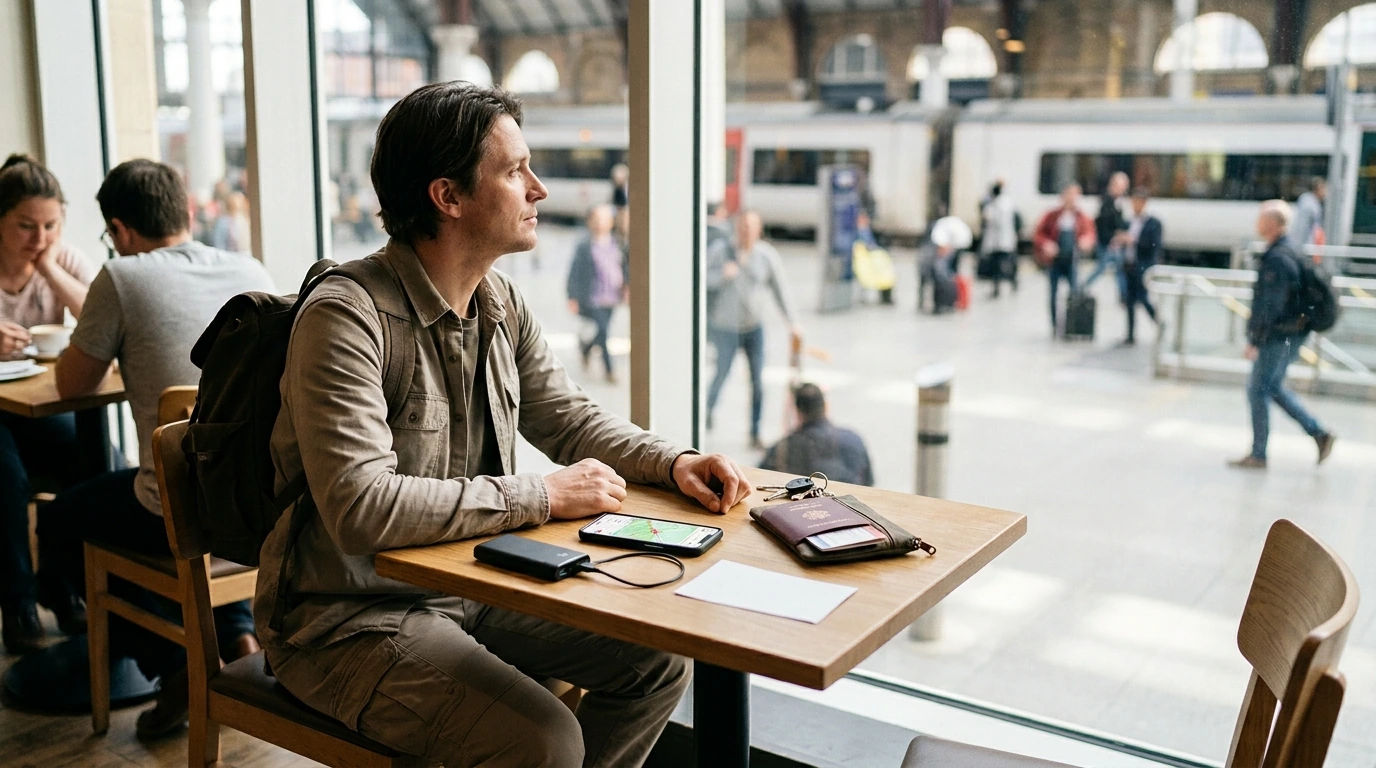
Solo travel safety starts before you hit “book”
Solo travel can feel freeing and empowering, but it also puts every decision—where to stay, how to get around, who to trust—directly on one set of shoulders. The goal isn’t to control every variable; it’s to build a simple safety system that reduces risk without turning the trip into a stress spiral. The planning steps, on-the-ground habits, and quick-reference checklist below are designed to help you stay alert, prepared, and confident from departure to return.
Build a safety baseline before booking anything
Before you compare prices and views, set a baseline that matches your real-life comfort level. This keeps you from overcommitting to “adventurous” plans that feel stressful once you’re on the ground.
- Set a simple risk profile: destination, season, planned activities, comfort with nightlife, language barriers, and health needs (including meds and allergies).
- Check credible sources for patterns: use official advisories and recent local reporting to spot common issues like petty theft hotspots, scam trends, transit reliability, and protest patterns. Start with the U.S. Department of State – Travel Advisories and the CDC – Travelers’ Health.
- Reduce arrival friction: aim for daylight airport/train arrivals when possible and confirm your first ride to lodging (or know exactly how public transit works).
- Choose accommodations for security, not just aesthetics: prioritize strong recent reviews that mention location, staff responsiveness, and secure entry.
- Create a “must-have” safety kit: phone plan or eSIM, backup power, door wedge/portable alarm, basic first aid, and a discreet money system (split cash/cards).
If you want a single file you can save offline and print, the Solo Traveler’s Guide to Staying Safe | Digital Download PDF eBook is built for quick decisions during arrival days and unexpected changes.
Pre-departure checklist for travel security planning
A few steps done once—before you leave—can prevent the most common solo-travel spirals: lost-phone chaos, missing document panic, and “I have no idea who to call here” moments.
- Share an itinerary snapshot: send a trusted contact your flight/train numbers, lodging addresses, key activities, and check-in times.
- Duplicate essential documents: store passport/visa/insurance/prescription copies in encrypted digital storage and keep a separate physical copy.
- Confirm emergency coverage: know your travel insurance details, local emergency numbers, nearest hospital/clinic, and embassy/consulate info.
- Plan communication layers: primary SIM/eSIM, a messaging app, plus a fallback (hotel phone, VOIP, or knowing how to use a local payphone if applicable).
- Build a “lost phone” plan: print key addresses, save offline maps, and write down critical numbers.
- Prepare money redundancy: two payment methods, small local cash, and a hidden emergency reserve.
Solo Travel Safety Checklist (Quick Reference)
| Category | Do this before you go | Do this while you’re there |
|---|---|---|
| Documents | Copy passport/ID, store securely, note embassy contact | Keep originals secure; carry only what’s needed |
| Connectivity | Set up eSIM/SIM, offline maps, backup power | Keep phone charged; avoid unknown USB ports |
| Money | Two cards + small cash + emergency reserve | Split cash/cards; use ATMs in well-lit, reputable locations |
| Lodging | Verify area, entry security, and late check-in process | Use door wedge/lock habits; don’t share room number |
| Transport | Research safe routes and official ride options | Confirm vehicle/driver; sit strategically; trust gut |
| Health | Pack essentials, prescriptions, and insurance details | Hydrate, rest, and get help early if unwell |
| Check-ins | Set scheduled updates with a trusted contact | Send quick updates after arrivals and night plans |
Situational awareness without anxiety
Awareness works best when it’s routine, not fear-based. You’re aiming for calm observation: enough to notice what matters, not so much that you can’t enjoy the trip.
- Practice “pause and scan”: when entering stations, busy squares, or night streets, quickly note exits, lighting, crowd density, and staff presence.
- Keep attention cues subtle: minimize phone use while walking, keep one ear free if listening to audio, and wear bags crossbody in crowds.
- Avoid predictable patterns: vary departure times and routes, especially near your lodging.
- Trust early discomfort: leave quickly and calmly rather than negotiating with yourself about whether the concern is “reasonable.”
- Use small boundaries: polite deflection phrases, confident posture, and minimal personal detail with strangers go a long way.
For travelers who find “hypervigilance” creeping in, having a short calming routine can help you reset without dropping your guard. Consider listening to Calm Your Mind: Guided Meditation Series | Audio Course before transit days or after late arrivals.
Lodging safety routines that take under two minutes
Your lodging is your recovery zone. Small habits—done the same way each time—reduce mistakes when you’re tired or distracted.
Transport and street smarts for solo travelers
Digital safety and identity protection on the road
What to do if something goes wrong
A printable guide and checklist for quick decisions
For a ready-made option, the Solo Traveler’s Guide to Staying Safe (Digital Download PDF) is designed to be printable and offline-friendly. If you’re also working on confidence and calm while traveling alone, Meditations for Self-Love & Worthiness | Audio Course can support steady boundaries and a grounded mindset.
FAQ
What is the riskiest destination for solo travelers?
Risk depends more on neighborhoods, timing, traveler profile, and activities than a single “riskiest” label. Use official advisories and recent local reporting to evaluate patterns like petty theft, transit safety, and medical access, then plan arrivals and lodging choices around those realities.









Leave a comment